

Whenever we think about communication. The first thing that comes to our mind is words. But there is more to communication than words alone. There is more to communication than words alone in reality the BODY LANGUAGE aka NON-VERBAL COMMUNICATION often carries more than half of the human communication. And it plays a crucial role in how we interact, attract, influence and understand one another. It is the silent language of communication.
What Is Body Language?
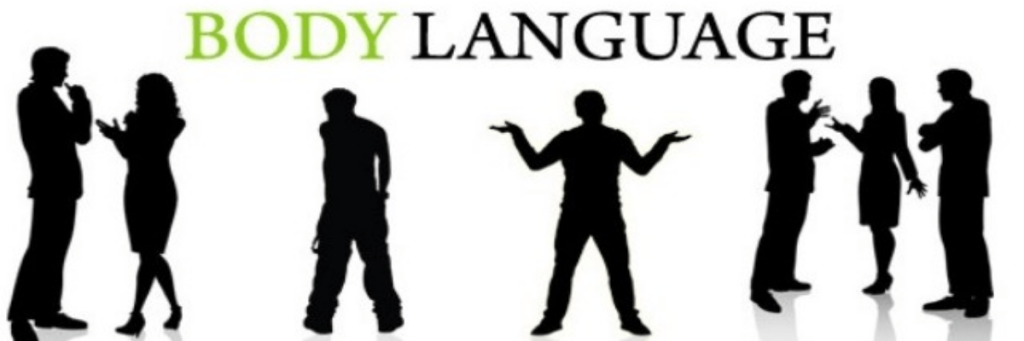
Body language is the use of physical behaviours, such as gestures, posture, eye movements, facial expressions that communicate without words. It’s the silent partner of spoken language, often revealing what someone truly thinks and feels from the inside even when their words say something else.
Why is Body Language Important?
- Creates first impressions: within a few seconds people start to scan and judge your confidence, honesty, and attitude based on your body language.
- Reveals true intentions and emotions: words can lie but your body reveals the hidden truth about your emotions and intentions, you can try to sound unhurt or unbothered but the quaver of your voice will give off the hint that you are in reality hurt or are bothered
- Improves relationships: being able to understand non-verbal language one gets a big advantage. It helps understand each other and connect better with family, friends, colleagues and strangers.
Key Elements of Body Language
- Posture: the posture of the is body the most important element of the body language as to it shows the state you are in. If you are sad you will be drained with low energy and the body would slouch down showing that you are exhausted. And when you are happy or excited you will stand tall and look confident.
- Facial expression: smile, frown, raised/arched eyebrows, micro-expressions. Covey’s emotions swiftly.
- Eye contact: strong eye contact shows confidence, honesty and avoiding eye contact shows lack of confidence, dishonesty, nervousness
- Gestures: movement of hand, legs, head, eyes plays crucial role
- Proxemics(personal space): the distance we maintain from others shows the level of comfort and social boundaries.
How to Use Body Language Effectively
- Maintain an open posture: while interacting with others avoid crossing arms and legs or turning away your torso. Be more open by showing your torso and open arms and legs
- Genuine smile: give a warm and genuine smile it creates trust and approachability.
- Use hand gestures naturally: it makes the conversation easily understandable. And help emphasize your point
- Making balanced eye contact: looking too little makes you shy while looking too much feels intimidating
- Be aware of cultural differences: a gesture that is friendly in one culture may be offensive in another.
Final Thoughts
Body language is everywhere, even if you are not aware of it but it is happening and it is present there. It is present in every single interaction. By learning to read and use the non-verbal language you can make your life so much easier. You can improve your communication, strengthen relations and boost your confidence.
After all, Actions speak louder than words.